
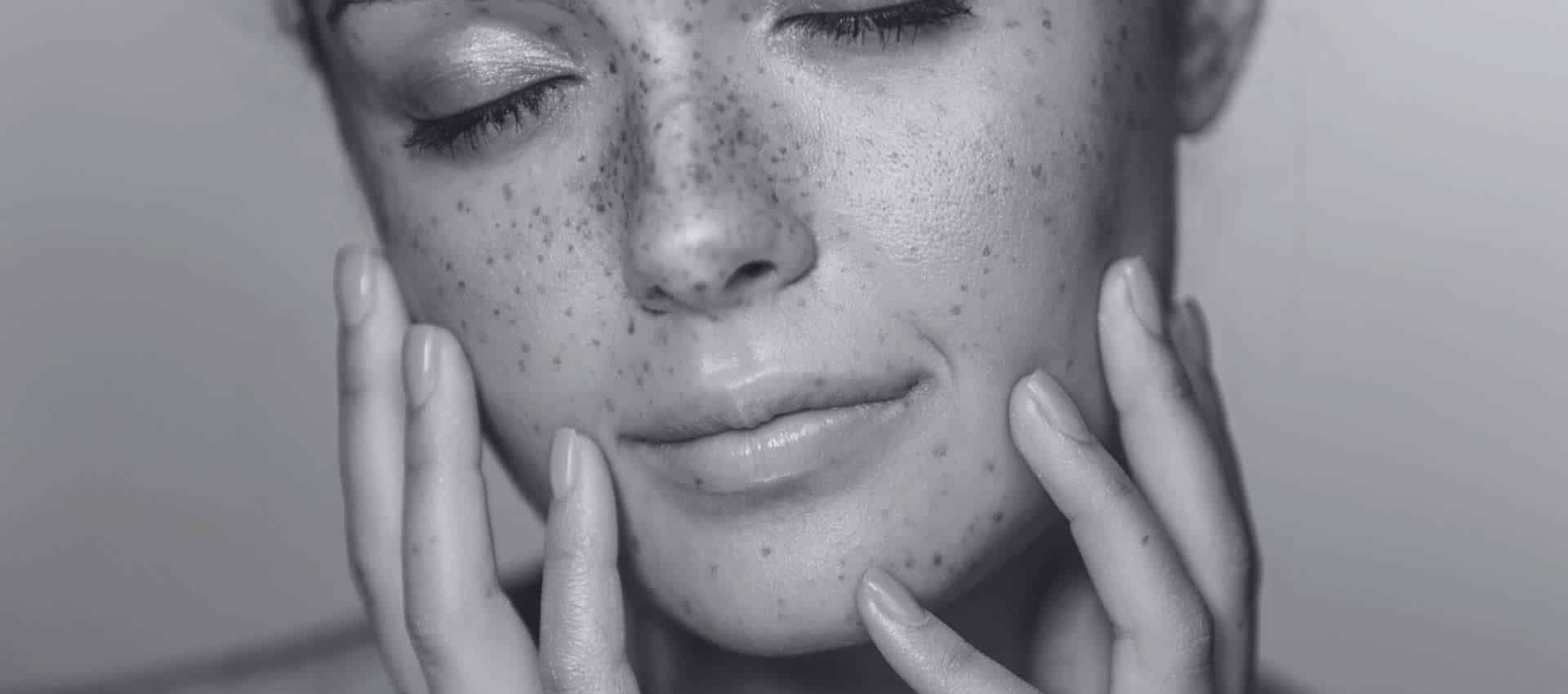



A Real Patient Journey: Combining BBL and HALO for Redness, Pigmentation and Skin Rejuvenation
When a patient comes to Mallucci with more than one skin concern, the right approach isn’t…
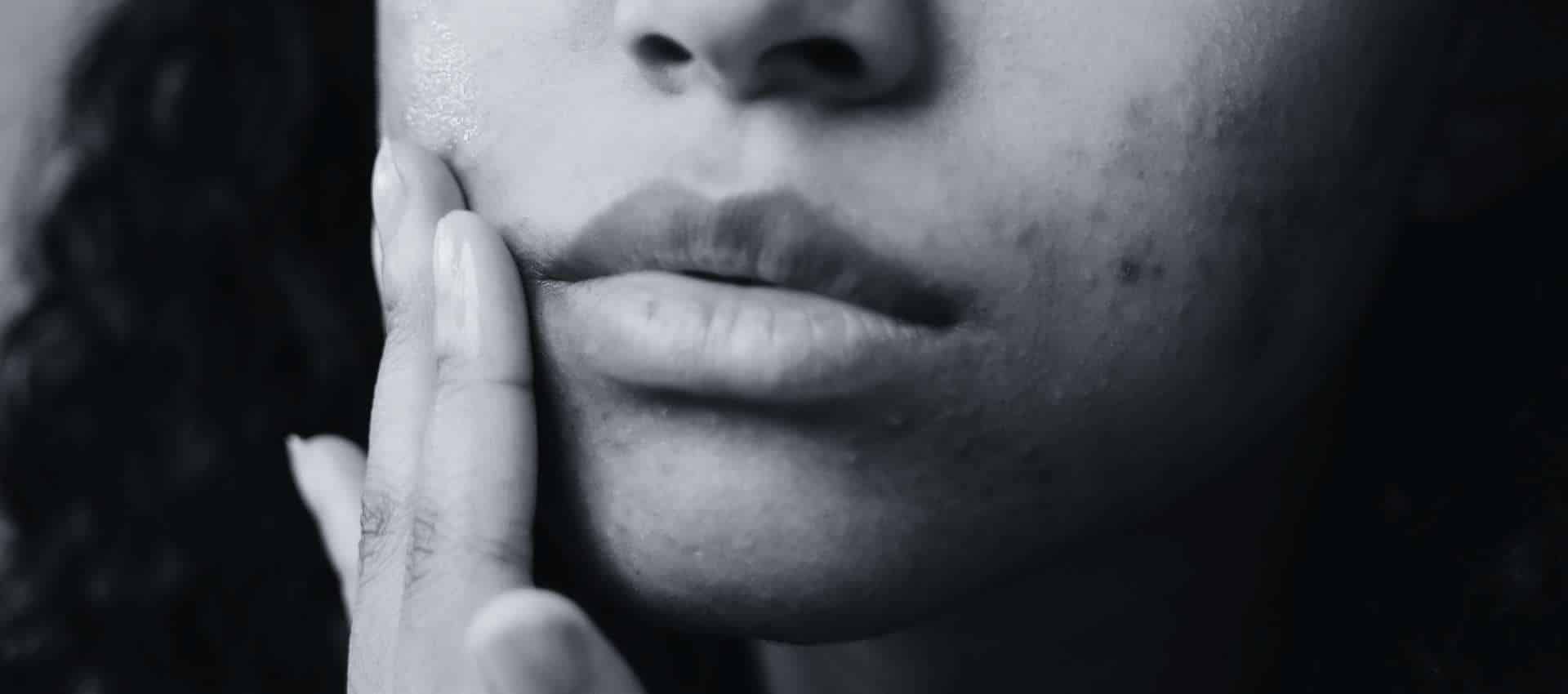
Improve the appearance of acne, post-acne marks and acne scars with personalised treatment at Mallucci London
Acne and acne scarring can affect skin texture, tone and confidence long after breakouts first appear. At Mallucci London, we create personalised treatment plans for active acne, post-acne marks and acne scars, helping to improve skin clarity, stimulate collagen production and restore smoother, healthier-looking skin.
Using advanced clinic-based treatments including microneedling, RF microneedling, laser treatment for acne scars, light-based technologies and chemical peels, every plan is tailored to your skin type, scar pattern, acne history and aesthetic goals.
If you are looking for acne treatment London, acne scar treatment London or laser treatment for acne scars London, our experienced team will recommend the most appropriate treatment plan following a detailed consultation.
Acne scarring develops when inflammatory acne damages the deeper layers of the skin. During healing, changes in collagen production can leave permanent textural changes that remain after active breakouts have resolved.
Not all post-acne concerns are true scars. Some patients are left with redness, pigmentation or dark marks after acne, commonly known as post-inflammatory erythema (PIE) and post-inflammatory hyperpigmentation (PIH), while others develop textural changes such as pitted acne scars, rolling scars, boxcar scars or ice pick scars. Many patients experience a combination of both colour change and textural scarring. Each concern responds differently to treatment, which is why acne and acne scarring treatment should always begin with a detailed skin assessment.
At Mallucci London, we take a personalised approach, selecting the most appropriate treatments to improve skin quality, support collagen remodelling and achieve gradual, natural-looking results.
Acne scars are permanent structural changes caused by moderate to severe inflammatory acne. Unlike temporary redness or pigmentation, true acne scars affect the skin’s underlying structure and usually require targeted clinical treatment.
There are several different types of acne scars, each responding differently to treatment. Acne scarring can refer to both changes in skin texture and lingering colour changes following acne, so identifying the underlying concern is an important part of planning the most appropriate treatment.
Narrow, deep scars that extend into the skin and often benefit from a carefully planned combination treatment approach.
Broader depressions with defined edges that create uneven skin texture and may respond well to collagen-stimulating treatments such as microneedling, RF microneedling or laser treatment for acne scars.
Soft, wave-like depressions caused by fibrous bands beneath the skin. These scars often improve with treatments that encourage collagen remodelling and improve overall skin texture.
Less commonly, excess collagen production can result in hypertrophic or keloid scars that sit above the skin’s surface. These require careful assessment before treatment is recommended.
Identifying your scar type helps us recommend the most appropriate acne scar treatment plan for your skin.
Acne scars develop when inflammation from acne damages the deeper layers of the skin. As the skin repairs itself, collagen production may be disrupted, leaving depressions, raised scars or uneven texture.
Several factors influence whether acne scars develop, including:
Early treatment of active acne may reduce the likelihood of permanent scarring, but established acne scars can often be improved with the right personalised treatment plan.
Not everyone with acne develops permanent scars. Genetics, the severity of inflammation and the body’s natural healing response all play a role. Patients with deeper cystic acne are generally at greater risk, particularly if blemishes are repeatedly picked or squeezed.
Skin tone, pigmentation tendency and previous acne treatments can also affect the appearance of post-acne marks and scarring. During your consultation, we assess whether your concern is active acne, pigmentation, redness, true textural scarring or a combination of these factors.
As every patient’s skin is different, we recommend a bespoke acne and acne scarring treatment plan rather than a standard package.

At Mallucci London, successful acne and acne scar treatment begins with understanding your skin. During your consultation, we assess your scar type, skin quality, active acne, medical history, previous treatments and aesthetic goals before creating a personalised treatment plan.
This is not a one-size-fits-all facial or a standard acne scar removal package. The most appropriate treatment depends on your skin tone, scar pattern, collagen response, downtime preferences and whether active acne needs to be brought under control before more intensive scar treatment begins.
Our focus is on achieving gradual, natural-looking improvements while supporting the long-term health of your skin through evidence-based treatments and advanced technologies.
Acne scar treatments stimulate the skin’s natural regenerative processes, so improvements develop gradually as collagen production increases and the skin remodels.
Most patients benefit from a course of treatments, with results continuing to improve over several months. While acne scars cannot always be removed completely, significant improvements in skin texture, tone and overall skin quality are often achievable.
If you have post-acne redness or pigmentation rather than true textural scarring, your practitioner may recommend a different approach to help even the complexion and improve skin clarity.
Your practitioner will discuss realistic expectations, likely treatment frequency and whether laser treatment, microneedling, chemical peels or a combination treatment plan is most appropriate during your consultation.
Successful acne scar treatment often combines different technologies to target multiple layers of the skin. During your consultation, we will recommend the most appropriate treatments based on your skin type, active acne status, scar pattern, pigmentation, downtime preferences and desired results.
Microneedling stimulates natural collagen and elastin production by creating controlled micro-injuries within the skin. As the skin heals, texture gradually becomes smoother and the appearance of mild to moderate acne scars can improve.
Microneedling for acne scars may be suitable for patients with textural irregularities, early acne scarring or those looking to improve overall skin quality with minimal downtime.
Laser treatment for acne scars can play an important role in improving skin texture by resurfacing the skin, stimulating collagen production and supporting healthy skin renewal. Laser and light-based treatments may also help address post-acne redness, pigmentation and uneven tone.
Depending on your individual needs, your treatment plan may include:
Combines ablative and non-ablative wavelengths to improve skin texture, support collagen remodelling and enhance the appearance of acne scarring.
A gentle fractional laser that promotes skin renewal and improves overall skin quality, making it suitable for selected patients seeking treatment for acne marks, pigmentation and early textural change.
Targets redness, pigmentation and post-acne marks, including post-inflammatory erythema (PIE) and post-inflammatory hyperpigmentation (PIH), to help create a clearer, more even complexion. BBL may be recommended alongside other acne scar treatments where appropriate.
Our team will determine whether laser treatment for acne scars, light-based treatment, microneedling or a combination approach is the most effective option for your individual concerns.
A fractional laser treatment that targets deeper textural acne scars by stimulating collagen remodelling within the skin. ProFractional may be recommended alone or combined with Halo® for selected patients with more established acne scarring.
Medical-grade chemical peels exfoliate damaged surface cells while encouraging healthy skin renewal. They can improve skin tone, support overall skin quality and complement other acne scar treatments.
Chemical peels may also be recommended for selected patients with active acne, congestion, post-inflammatory pigmentation or uneven skin tone.
Many patients achieve the best results through a combination of treatments rather than a single procedure. Acne scarring often affects several layers of the skin, while post-acne marks, redness and pigmentation may require a different approach from true textural scars.
For example, treatments such as Halo®, ProFractional™ laser and BBL® may be combined where appropriate to address both textural acne scars and post-acne redness or pigmentation as part of a personalised treatment plan.
Combining microneedling, RF microneedling, laser treatment for acne scars, light-based treatments and chemical peels allows us to address multiple concerns while creating a personalised plan for gradual, natural-looking improvement.

When a patient comes to Mallucci with more than one skin concern, the right approach isn’t…
Discover what causes skin laxity, the early signs to look out for and the treatment options…
A More Refined Conversation Around Injectables Injectable treatments are still too often associated with dramatic, obvious…
16th September 2026
When a patient comes to Mallucci with more than one skin concern, the right approach isn’t…
29th July 2026
Discover what causes skin laxity, the early signs to look out for and the treatment options…
29th July 2026
A More Refined Conversation Around Injectables Injectable treatments are still too often associated with dramatic, obvious…