

A Real Patient Journey: Combining BBL and HALO for Redness, Pigmentation and Skin Rejuvenation
When a patient comes to Mallucci with more than one skin concern, the right approach isn’t…

Excess or stubborn fat refers to pockets of fat in the body that are resistant to traditional weight-loss methods like diet and exercise.
Excess or stubborn fat refers to pockets of fat in the body that are resistant to traditional weight-loss methods like diet and exercise. While fat is essential for energy storage, hormone regulation, and insulation, excessive amounts or persistent areas of fat can be frustrating to manage. Stubborn fat often accumulates in areas such as the abdomen, thighs, hips, and arms and may not respond to caloric deficits or physical activity as other areas do.
This type of fat can be classified into two categories: subcutaneous fat and visceral fat. Subcutaneous fat lies just beneath the skin and is often the most visible, creating issues with body contour and appearance. Visceral fat, on the other hand, surrounds internal organs and is less visible but can pose greater health risks.
Stubborn fat often relates to the body’s natural fat distribution, which is influenced by genetics, hormones, and lifestyle factors. It can impact one’s self-esteem and confidence, even for individuals within a healthy weight range. Treatments such as body contouring, fat freezing, or other non-invasive procedures may help reduce localised fat deposits, providing a targeted approach where traditional methods may fall short.
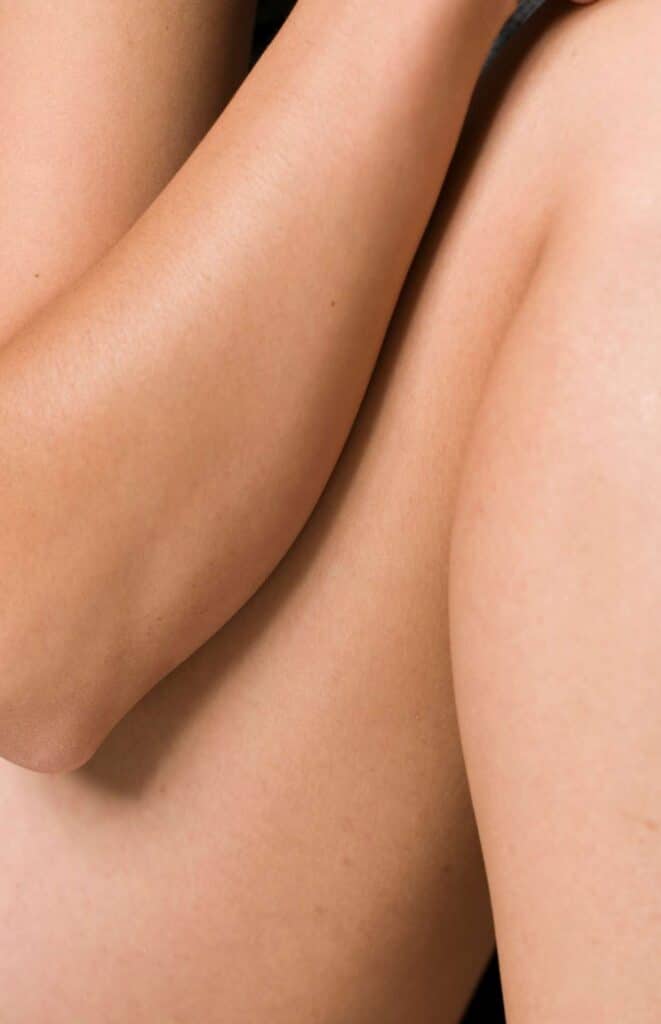

Excess or stubborn fat is caused by a combination of genetic, hormonal, lifestyle, and environmental factors. Genetics play a significant role in fat distribution, determining where the body stores fat and how easily it can be lost. Hormonal imbalances, such as those involving cortisol, insulin, or oestrogen, can also lead to fat accumulation in specific areas, making it harder to lose. For example, high cortisol levels from chronic stress may contribute to abdominal fat storage.
Lifestyle factors, including poor diet and a sedentary lifestyle, are key contributors. Consuming more calories than the body requires leads to fat storage, particularly in predisposed areas. Even with regular exercise, some fat pockets may remain stubborn due to how the body prioritises fat loss, which varies from person to person.
Age is another factor; as metabolic rates decline with age, the body’s ability to burn fat slows, leading to accumulation over time. Additionally, lack of sleep and stress can disrupt metabolic processes, further exacerbating stubborn fat.
Certain medical conditions, such as hypothyroidism or polycystic ovary syndrome (PCOS), can also contribute to fat retention. Understanding the root causes of excess or stubborn fat is essential for developing targeted strategies to manage or reduce it effectively.
Stubborn and exercise resistant fat are now treatable through a variety of methods. We offer two very effective options at Mallucci London which would be dependant on the individuals needs and also the amount of excess fat that needs to be removed.
Coolsculpting is a non-invasive treatment which tackles stubborn pockets of fat, it has zero downtime and the full results can be seen up to 12 weeks post treatment. For more extensive fat removal, the other alternative is liposuction – a surgical procedure to remove fat. Both are viable options for safely and effectively removing excess fat throughout the body.



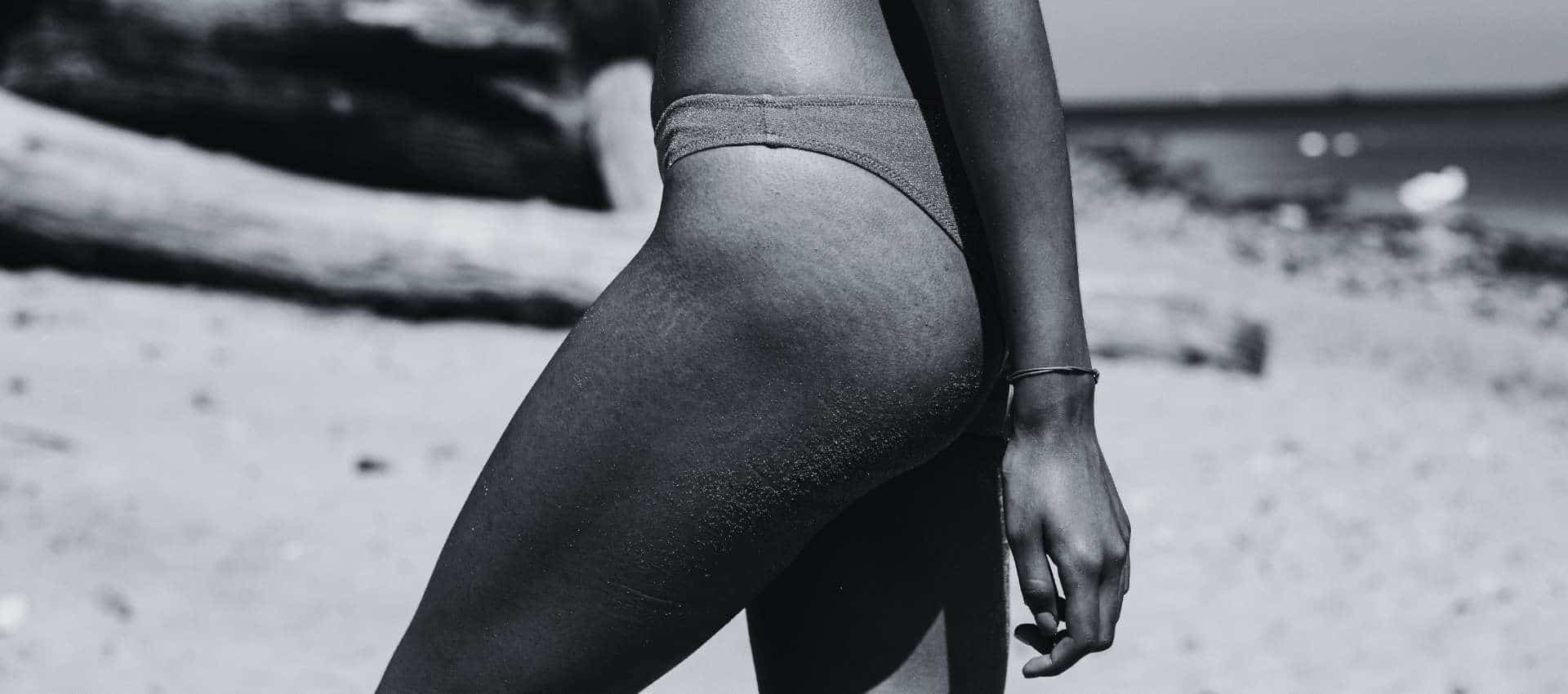
When a patient comes to Mallucci with more than one skin concern, the right approach isn’t…
Discover what causes skin laxity, the early signs to look out for and the treatment options…
A More Refined Conversation Around Injectables Injectable treatments are still too often associated with dramatic, obvious…
16th September 2026
When a patient comes to Mallucci with more than one skin concern, the right approach isn’t…
29th July 2026
Discover what causes skin laxity, the early signs to look out for and the treatment options…
29th July 2026
A More Refined Conversation Around Injectables Injectable treatments are still too often associated with dramatic, obvious…